
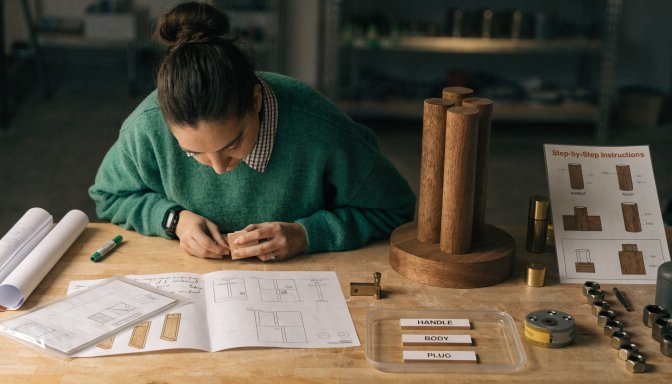
Building smarter with woodworking plans means using the plan as a system, not just a reference sheet. The best plans reduce decisions, clarify sequence, and help you catch problems before you cut expensive stock. That is why a good plan saves more than time. It saves confidence.
Quick answer: To build smarter with woodworking plans, choose plans with clear steps, accurate cut lists, realistic material lists, and a logical build sequence. Then use the plan actively by checking fit, staging parts, and following the order instead of improvising halfway through.
What smarter building looks like
- You review the plan before buying materials
- You understand the part relationships before cutting
- You use the sequence to stage tools and stock in advance
- You catch unclear steps before they turn into mistakes
Why plans matter so much
Woodworking becomes more accurate when each step supports the next one. That chain breaks down quickly when the builder is forced to guess dimensions, reverse-engineer assembly order, or improvise missing details. Better plans restore that chain.
| Plan benefit | How it helps you build smarter |
|---|---|
| Clear sequence | Reduces stop-and-guess moments |
| Accurate cut list | Improves material buying and part prep |
| Detailed diagrams | Makes relationships easier to understand |
| Logical steps | Supports cleaner assembly and less rework |
Bottom line
Building smarter with woodworking plans is really about reducing unnecessary uncertainty. A clearer plan gives beginners and hobbyists a more controlled path from first measurement to finished project.